
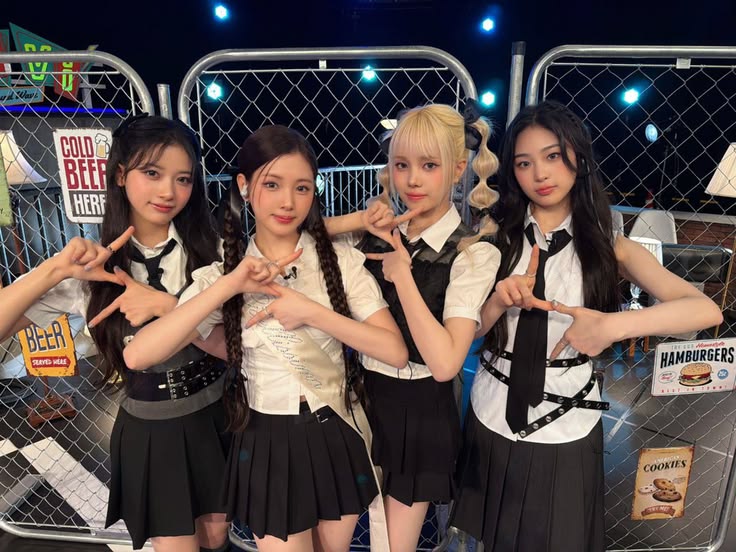

P Nation’s Baby DONT Cry has returned with a release that feels bigger than a standard comeback. Their first mini-album, AFTER CRY, arrived on March 24, 2026, led by the title track “Bittersweet.” The project also marks an important milestone for the group: it is both their first EP and their first comeback in about four months since “I DONT CARE.”
What makes AFTER CRY stand out is its emotional framing. According to P Nation’s official introduction, the album is not really about what happens after tears end, but about the time leading up to them—the silent cracks, unspoken feelings, and repeated moments of endurance that shape a person before a breakdown ever becomes visible. The label describes the record as the first chapter in a three-part narrative and presents it less as a diary of pain than as a declaration of identity being born through instability and change. That gives the mini-album a stronger conceptual spine than many early-career releases, because it aims to capture the exact emotional threshold where vulnerability begins turning into self-definition.
The title track “Bittersweet” fits that idea well. P Nation describes it as a song that places slightly bitter yet sweet memories over a bright, upbeat sound, focusing on emotions that only settle in the heart after time has passed. That contrast is key to the comeback’s appeal. Rather than leaning into melodrama, Baby DONT Cry seems to be exploring a softer and more reflective kind of tension—the feeling of smiling through a memory only to realize later how much it meant. It is a smart choice for a title track because it balances accessibility with emotional depth, giving the group room to sound youthful without feeling shallow.
The rest of the mini-album helps widen that emotional and sonic range. The five-track project includes “Mama I’m Alright,” “Bittersweet,” “Shapeshifter,” “Moves Like Ciara,” and “Tears On My Pillow.” P Nation’s release notes position “Mama I’m Alright” as a high-energy dance opener built around a recognizable melodic reference to “Dragostea Din Tei,” while “Shapeshifter” is framed as a track about transformation, with shifting moods and structure that mirror the act of constantly becoming someone new. “Moves Like Ciara” pushes into a hip-hop mood the group had not shown before, and “Tears On My Pillow” closes things with a more delicate emotional tone focused on surviving the day and finding comfort at night. Taken together, the tracklist suggests that AFTER CRY is designed not as a one-note sadness concept, but as a broader portrait of motion, recovery, confidence, and emotional aftermath.

That balance may be the most interesting part of this comeback. Rookie and early-career girl groups often get boxed into either bright immediacy or dark intensity, but Baby DONT Cry seems to be reaching for something more fluid. AFTER CRY does not present crying as weakness, nor does it rush too quickly into a triumph narrative. Instead, it lingers in the uncomfortable in-between stage where people are still figuring out what they feel and what they are becoming. In that sense, the mini-album’s title is a little deceptive: the project is really about the emotional weather surrounding a turning point, not just the clean resolution that comes after it. That gives the group a more mature storytelling angle without sacrificing the melodic hooks and performance-focused energy expected from a K-pop release.
For Baby DONT Cry, this comeback feels like an important step in defining their artistic identity under P Nation. The debut mini-album format naturally carries more weight than a single release, and AFTER CRY uses that extra space to show multiple sides of the group rather than forcing everything into one headline concept. If this really is the opening chapter of a larger narrative, then Baby DONT Cry is not just returning with new music—they are beginning to outline what kind of emotional and musical world they want to own. And based on AFTER CRY, that world looks built on contrast: softness and strength, sweetness and ache, collapse and reinvention.