
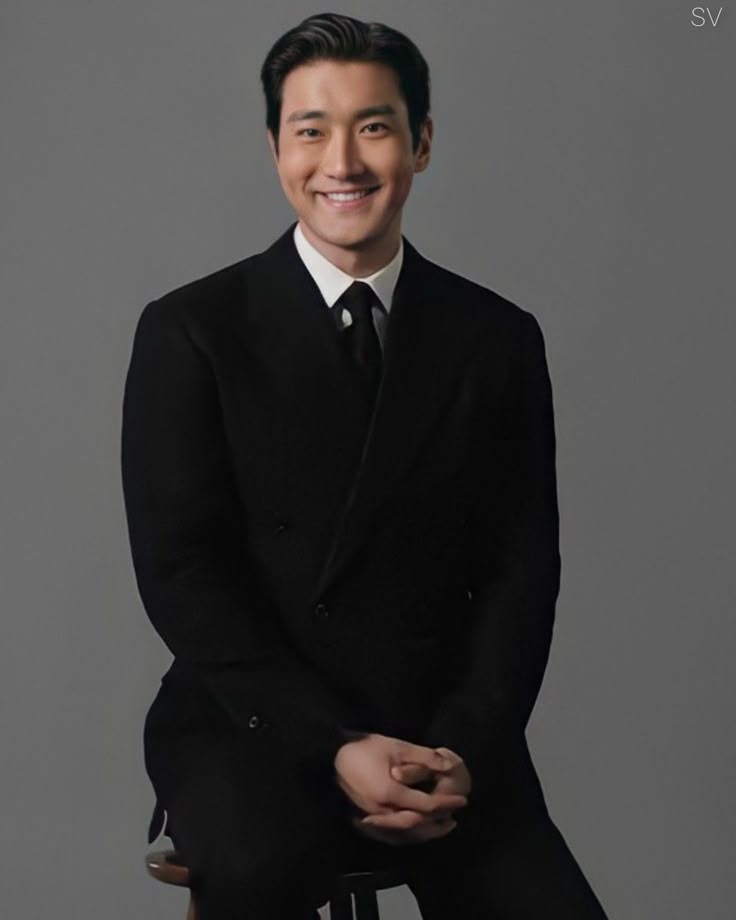

When K-Pop and Politics Collide: The Siwon Instagram Backlash After Yoon Suk Yeol’s Life Sentence
In South Korea, celebrity speech often carries an unusual weight—part entertainment, part cultural diplomacy, part social signal. That’s why even an indirect post can ignite a firestorm when the country is already politically charged. This week, Super Junior member and actor Choi Siwon found himself at the center of backlash after sharing cryptic Instagram content that many interpreted as a reaction to a major political milestone: former President Yoon Suk Yeol receiving a life sentence.
What happened in the Yoon Suk Yeol case—and why the country is tense
A Seoul court sentenced Yoon Suk Yeol to life in prison in connection with a short-lived martial law declaration in December 2024, which prosecutors argued amounted to an attempted insurrection. Reports describe the incident as involving deployment of security forces and an effort to disrupt the National Assembly, before lawmakers moved quickly to overturn the order.
Whether viewed as accountability or political vengeance (and public reaction appears sharply divided), the verdict has amplified polarization—creating the kind of environment where any public-facing comment can be read as taking sides.
The Instagram posts that triggered speculation
The controversy around Siwon revolves less around an explicit statement and more around interpretation. Multiple entertainment outlets and online communities reported that Siwon uploaded a post featuring a Chinese idiom / cryptic phrasing shortly after the life sentence news circulated, which some netizens read as an indirect “comment” on the verdict.
That ambiguity is exactly what makes it combustible:
-
Supporters can project agreement or sympathy onto it.
-
Critics can read it as dog-whistling, trolling, or political signaling without accountability.
-
Everyone argues about “what he meant,” because the post doesn’t clearly say.
Why the backlash escalated so fast
K-pop idols exist in a high-trust ecosystem with fans, brands, broadcasters, and international audiences. When politics enters the picture, three dynamics tend to drive rapid escalation:
1) Timing becomes the message.
Even neutral content can be interpreted as partisan if posted immediately after a national political shock. In a tense news cycle, audiences often treat “coincidence” as “commentary.”
2) Prior reputation shapes interpretation.
Reports note that Siwon has faced political controversy before, which primes people to read current posts through an existing narrative. For example, coverage has referenced earlier debates about his public signals and the reaction they generated.
3) K-pop fandoms are accountability machines.
Fans are organized, online, and fast. They mobilize criticism, trend hashtags, and demand statements or consequences—sometimes within hours.
The core dispute: free expression vs. celebrity responsibility
This kind of controversy usually splits into two camps:
Camp A: “He didn’t say anything.”
Supporters argue that a vague idiom or photo isn’t a political endorsement, and that celebrities shouldn’t be punished for posting something that requires speculation to become “offensive.”
Camp B: “Vagueness is the tactic.”
Critics argue that ambiguity allows a public figure to signal to one audience while maintaining plausible deniability to another. In a political crisis, they see “cryptic posting” as irresponsible at best, and manipulative at worst.
The truth is: both arguments can be emotionally convincing, because the post itself isn’t a clear statement—so the fight becomes about trust in the person posting.

Why this matters beyond one idol
Even if this fades quickly, it reflects a bigger pattern in Korean pop culture:
-
Idols are increasingly expected to have “values,” but are penalized when those values appear partisan.
-
Silence can be interpreted as cowardice on social issues, while speaking can threaten careers.
-
International fandoms amplify local controversies, often without the same political context, which can intensify misunderstanding.
In other words, the “safe lane” for celebrities is narrower than ever.
What could happen next
Typically, idol controversies like this resolve in one of a few ways:
-
No response + time passes (most common): the cycle moves on unless a new post reignites it.
-
Clarification: “It wasn’t political,” but this sometimes satisfies no one.
-
Apology: may calm brand risk, but can also inflame supporters who believe the backlash was unfair.
-
Agency intervention: rare unless sponsorships or broadcasts are threatened.
Given the sensitivity of a life-sentence political verdict, the highest-impact variable is whether Siwon posts again—especially anything that looks like doubling down.
Bottom line
Siwon’s backlash isn’t just about one Instagram upload. It’s about timing, interpretation, and a national atmospherewhere symbols feel louder than words. When politics is raw and public attention is polarized, a “cryptic” post stops being harmless ambiguity and becomes a Rorschach test—revealing less about the post itself and more about what people fear (or hope) it means.